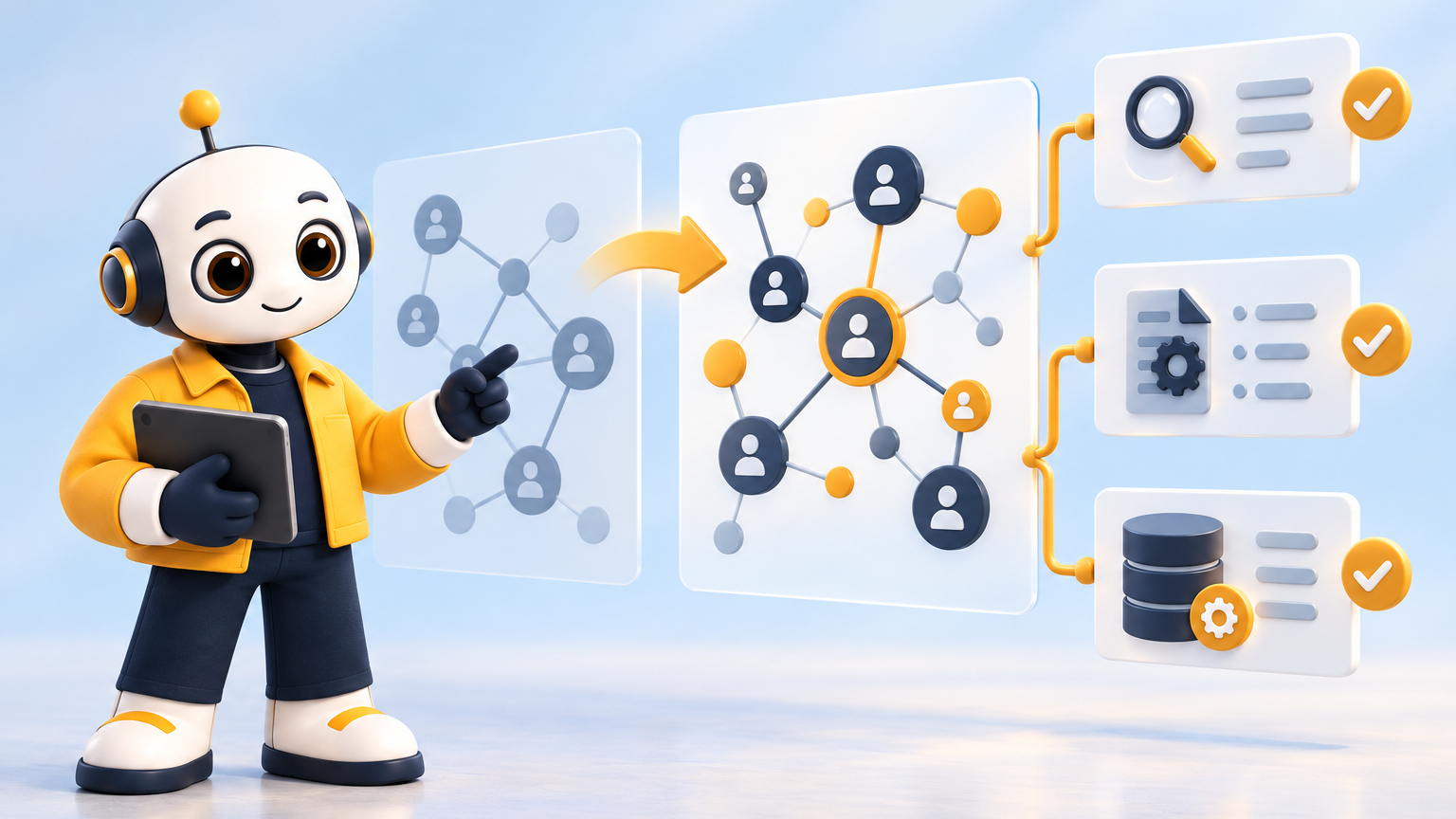
Quantexa 2.9.0 enables Decision Intelligence analysis to work with entity-network context that becomes available only after data has been curated through deterministic and probabilistic entity resolution. The release therefore describes a different position for context in the chain, rather than an automatic guarantee of more accurate, faster, or universally different analysis outcomes. Implementation also requires a combined assessment of the search, parser, and Elasticsearch environment.
In brief: Quantexa 2.9.0 and analytics context
The change primarily concerns the origin and technical conditions of the context, not a predetermined improvement in analysis outcomes.
- Network relationships are used as analysis context after data has been identified as entities and placed within a network.
- The impact on existing analyses must be assessed for each configuration; the available information does not predict a uniform outcome for every workflow.
- The upgrade involves more than the application version: search processes, data processing, and the target environment are part of the same assessment.
- Inventory dependencies by process, so that related work involving search, parser integrations, and infrastructure is not left out of the planning.
- Assess the context chain and migration boundaries together to accurately estimate the true scope of the transition.
What Quantexa 2.9.0 demonstrably changes in the analytics chain
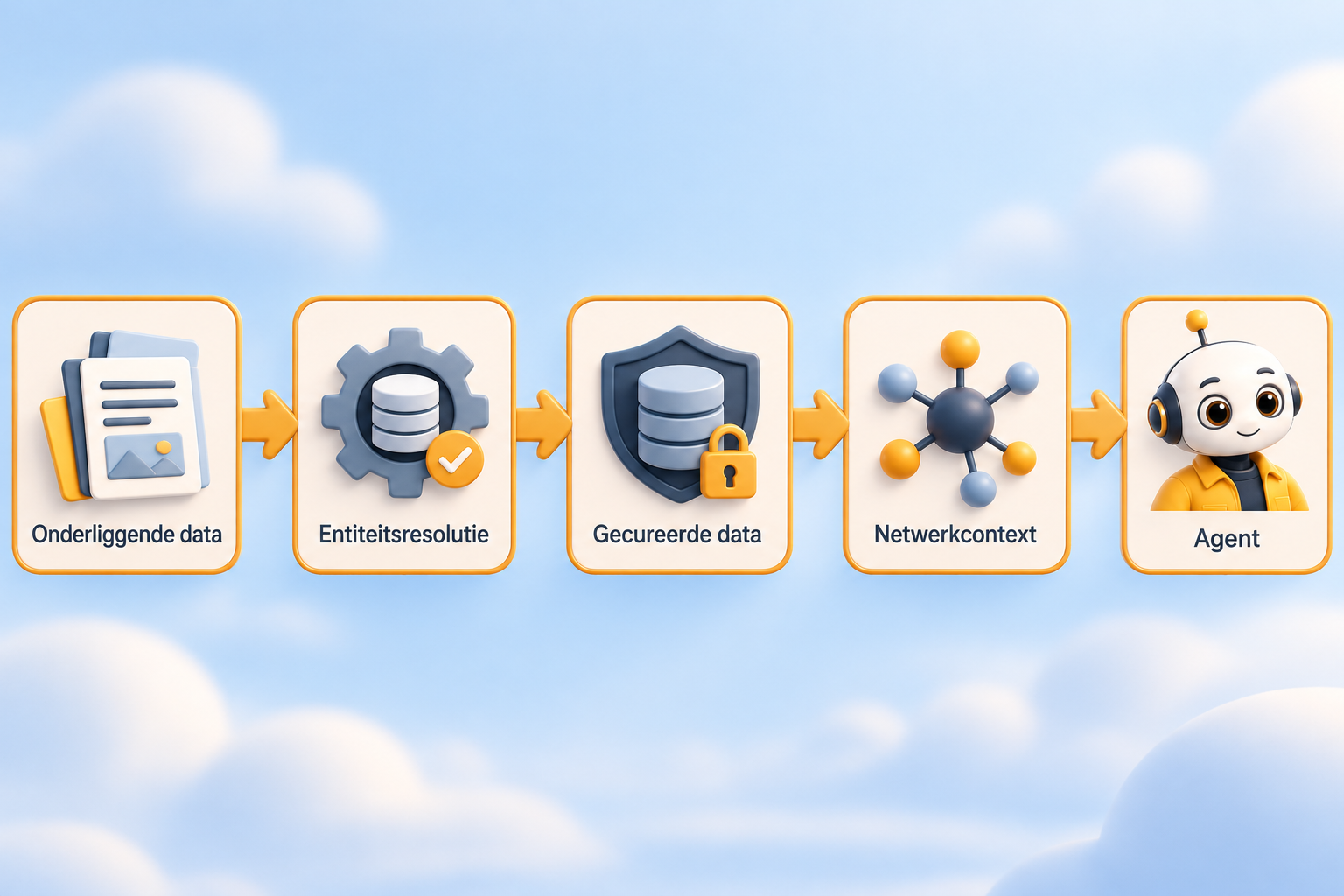
Here, entity-network context means the context made up of identified entities and the relationships in which they are placed within a network. Quantexa 2.9.0 makes this context available after the underlying data has been curated through deterministic and probabilistic entity resolution. Network connections therefore do not reach an agent as raw input, but follow a resolution layer.[1]
For release analysis, attention therefore shifts to the step before the network relationships: which records have been identified as the same entity and how those entities have been placed within a network. According to the available evidence, this data has already been mathematically curated before network connections are exported as context.[1]
This is a relevant boundary: the evidence describes a prepared context chain, but not a general before-and-after comparison of Decision Intelligence analysis. The eventual effects remain dependent on the configuration in which the release is applied.
The quality of the resolution layer also remains decisive in what the network context represents. When probabilistic thresholds combine different records too broadly into one entity, the resulting network may show relationships around that merged entity. The release description itself does not state how such choices will affect an existing configuration.
Why 2.9.0 affects more than a standard version upgrade
With Quantexa 2.9.0, the technical boundary of the release extends beyond the application version itself. The upgrade requires legacy Search 1.x to be permanently replaced by New Search, the environment to integrate with Parsers 4.4, and Elasticsearch 9 clusters to run in a containerized Docker/Kubernetes architecture. This means local EmbeddedElasticServer environments are no longer the baseline for the target environment.
Together, these elements form the technical foundation on which 2.9.0 is implemented. The search capability determines where existing search-related processes need to connect, parser integrations affect the processing of supplied data, and the Elasticsearch configuration determines the target environment. The upgrade assessment must therefore follow these dependencies, not just visible release features.
Feature announcements do not show which analytics chain changes
The upgrade guide for Quantexa 2.9.0 describes the conditions and procedures for the platform transition. It therefore establishes what must be included technically, but not how an existing Decision Intelligence analysis will perform in every environment. A search feature or analytics process may formally fall within the upgrade boundary without the documentation indicating which step in day-to-day analysis will change as a result.
The migration to Parsers 4.x also requires its own compatibility assessment. This migration context runs alongside the platform upgrade: teams must therefore not only establish that the target version is supported, but also identify where current parser connections form part of the delivery and processing of data for entity-network analysis.
The actual scope becomes visible by comparing documented requirements with the existing configuration. This distinguishes the technical transition itself from the processes in which search, parser processing, and analysis actually come together.
Which components of the current environment belong in the same release assessment?
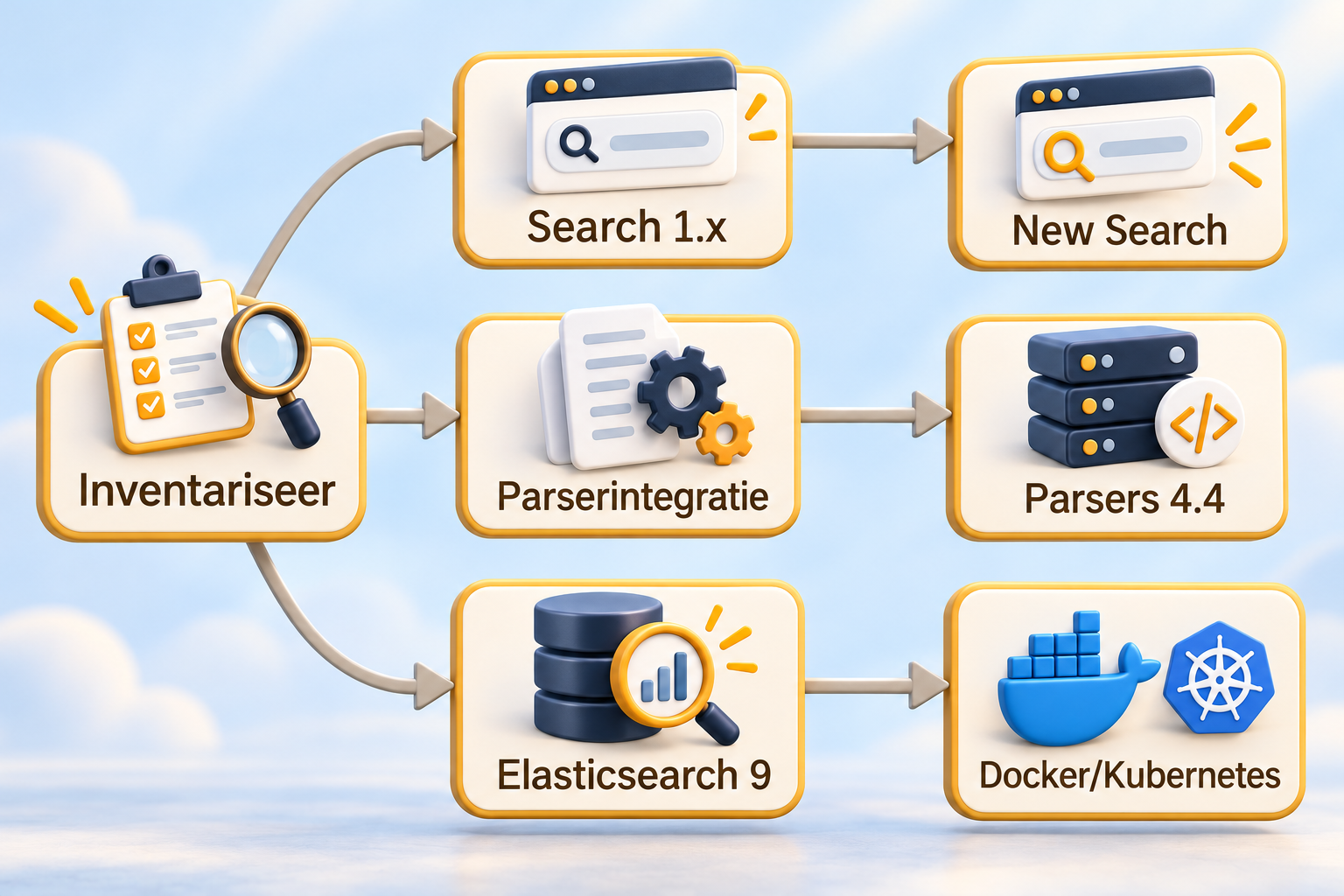
Conduct the inventory by dependency, not by product name. For each component, record which existing analytics or supporting processes depend on it; this brings into view work that would otherwise fall outside a separate upgrade check.
- Search 1.x and New Search: map all procedures, search-related analyses, and supporting processes that still use Search 1.x. Link every identified use to the transition to New Search, so it is clear which components of the current way of working need to be assessed together.
- Parser integration and Parsers 4.4: determine where parser integrations are used in the existing environment and document their relationship with Parsers 4.4. Consider not only the integration itself, but also the processes that depend on the data these integrations process.
- Elasticsearch 9 in Docker/Kubernetes: place the Elasticsearch 9 migration within the intended Docker/Kubernetes architecture. Include the analytics and supporting processes that depend on this environment, so that the target platform is handled as part of the same release assessment.
The release requires one assessment of the context chain and migration boundaries
A useful assessment of Quantexa 2.9.0 combines two questions. The first concerns the origin of the context an agent receives: entity-network context follows a curated resolution layer. The second concerns the technical boundary of the release: the transition includes New Search, Parsers 4.4, and Elasticsearch 9 within Docker/Kubernetes.
This combination prevents the analytics side and the migration side from being handled separately. The network context is connected to data that has first been resolved as entities, while the upgrade can be performed only within the documented platform conditions.
For this reason, planning based solely on the application version is incomplete. It can leave work related to search, parser connections, or the target environment out of view. Conversely, a purely technical plan does not explain which context becomes available in the analytics chain.
The operational consequence therefore lies in defining the work: apply both lines to the same existing processes. This allows the scope of the transition to be estimated based on the full context and migration chain, rather than on a single separate component.